
Idaho's Best Choice For Asbestos Inspections
Professional Asbestos Services In Idaho

01
Asbestos Testing
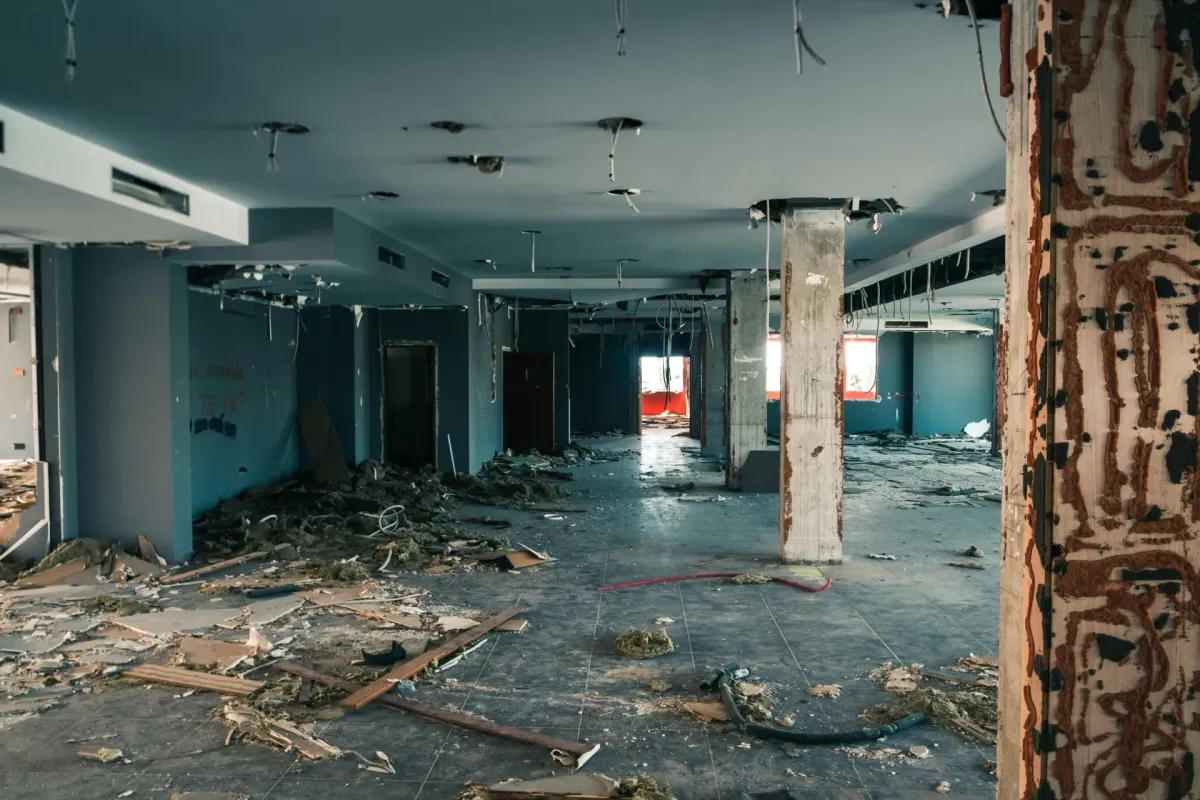
When you suspect asbestos in your home, we can test to determine the severity of your asbestos problem.
02
Asbestos Mitigation
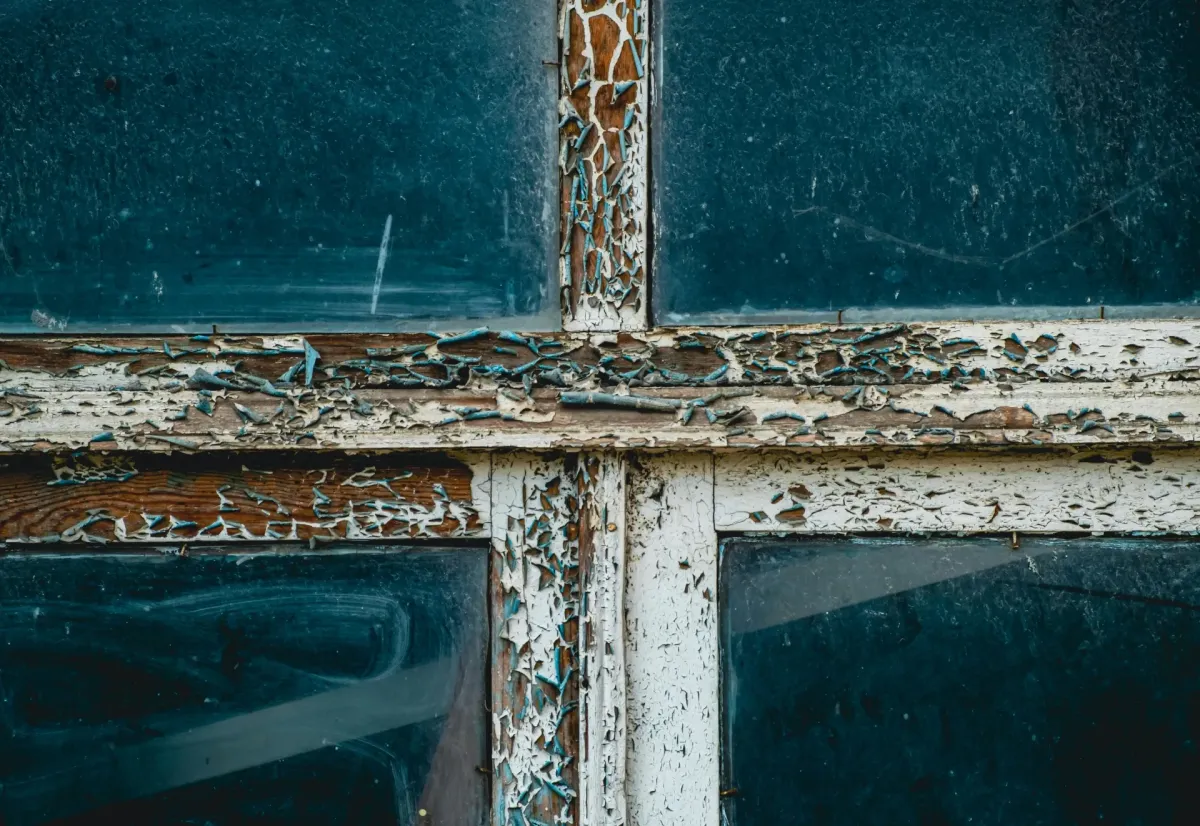
When it's determined you have asbestos in your home, we do the mitigation following all state and federal regulations.
03
Lead Mitigation
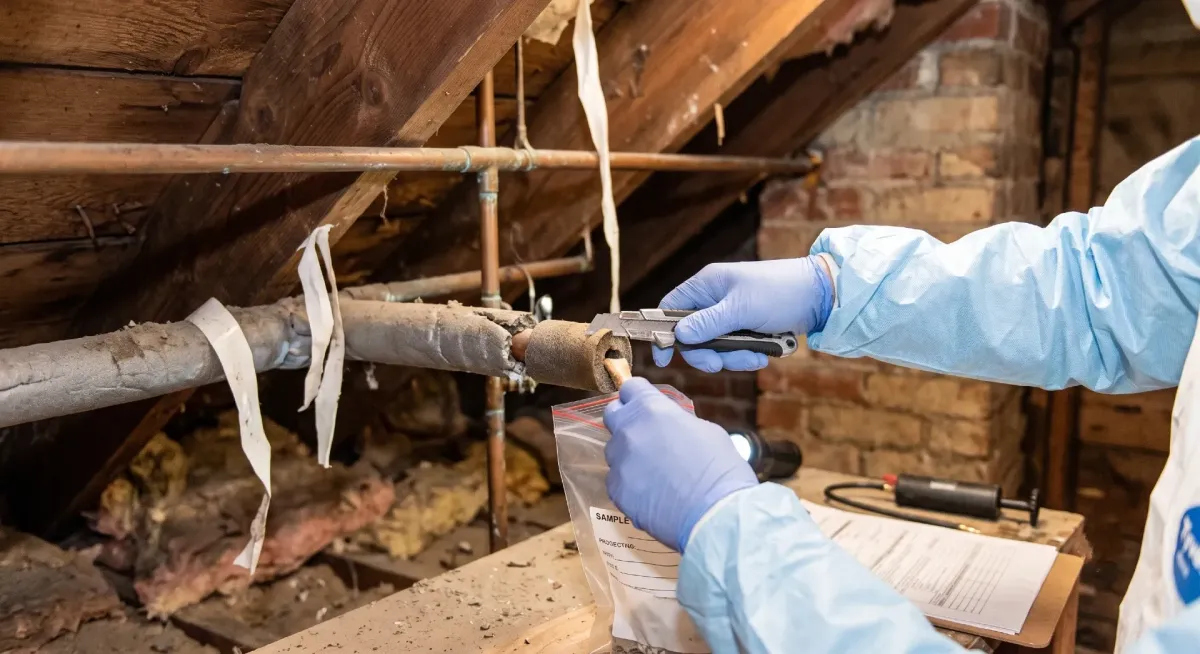
Suspect lead in your paint, or other materials in your home? Call us and we will dispose of it for you.
Important Times To Schedule A Pocatello, ID Asbestos Inspection
Pocatello is full of history, from the Portneuf Valley all the way back. Our local neighborhood architecture is a reflection of decades of growth, from classic craftsman bungalows in Old Town Pocatello and mid-century brick homes surrounding Idaho State University to established properties on the West Bench and neighboring Chubbuck.
But houses built before the late 1970's and 1980's often hide a silent danger behind their plasters, vinyl floor tiles, textured ceilings, and basement pipe insulation: asbestos.
Asbestos is highly commended for its excellent fire retardant, durable and insulating properties. When disturbed, asbestos is dangerously airborne. Inhalation of these minute fibers can lead to serious long-term health hazards such as asbestosis and mesothelioma.
If you own, manage or plan to buy an older home in the region, knowing when to test is as important as knowing where it is located. Knowing the critical times to schedule asbestos testing in Pocatello, ID helps to keep your family, your contractors, and your financial investment safe.
1. Before You Do Any Major Renovation, Remodel Or Demolition
Before you begin swinging hammers to create an open concept layout, remodel a retro kitchen or finish a basement in the University Area or Tyhee, hold up a second before you grab those heavy demolition tools.
Breaking down walls or ripping out fixtures crushes mineral-based building materials directly, releasing microscopic hazardous fibers into the air and drawing them through your home’s central heating system.
Renovations with Hazardous Materials:
Popcorn Ceilings: Very common in Pocatello area homes built between 1950 and 1980.
Vinyl sheet flooring and acoustic floor tiles: Often installed with dark asphaltic adhesives (mastic) that contain high levels of asbestos.
Mud and Textured Plaster: Older paint can often test positive for joint compound and texture coats, even if the wallboard is of modern vintage.
Environmental regulations call for a formal asbestos inspection before any major structural changes or demolition work is performed. By identifying these risks early you are able to incorporate certified containment or safe remediation right into your project time frame and budget.
---
2. In the Home Buying Process (Real Estate Due Diligence)
A general home inspector is helpful for inspecting roofs, electrical panels and foundations. Standard real estate inspections generally don’t include hazardous material sampling or laboratory testing.
If you’re under contract on a character-filled residence in Old Town or near Caldwell Park, securing a dedicated asbestos inspection near me during your due diligence window is a vital step in protecting your investment.
Why Testing Before Closing?
Reveal Hidden Costs: Finding out post closing that an entire floor plan or heating system is made of friable asbestos can lead to unexpected and costly cleanup expenses.
Negotiating Power: This verified lab report provides the concrete proof you need to negotiate repair credits, price adjustments or demand that the seller complete professional asbestos removal in Pocatello, ID before final transfer.
3. Water Damage, Burst Pipes, and Severe Weather
Pocatello winters are cold and snowy with temperatures that often cause pipes to burst, ice dams to form, and basement flooding. If your older construction has become saturated with water, it’s natural for a homeowner to want to rip out the wet drywall, insulation and carpet underlayment right away to prevent mold growth.
However, removing wet building materials without testing first can create a second dangerous situation.
Saturation causes vintage ceiling tiles, plaster and duct insulation to crumble easily during cleanup.* Water restoration crews need to make sure materials are free of contaminants before installing industrial air movers that might otherwise blow microscopic fibers throughout the structure.
If water gets into your property, ask for asbestos testing to be done by a certified professional before removing materials or using heavy drying gear.
4. Improving the Heating, Plumbing or Mechanical Systems
Many of Pocatello’s classic homes in its mature neighborhoods still have original boiler heat, gravity furnaces or legacy iron plumbing lines.
Asbestos removal is often a requirement before licensed tradespeople will work on a system to replace an aging boiler with modern HVAC equipment or old plumbing lines.
Common Mechanical Causes:
Thermal System Insulation (TSI): Basement heat runs and steam pipes wrapped in white, corrugated paper or fibrous wrap.
Boiler & Furnace Gaskets Rope seals, packing and insulation blankets for old heating systems.
Transite Exhaust Flues: Fiber-cement pipe used to vent hot water heaters and furnaces through chimneys.
One of the greatest safety hazards in removing or cutting thermal pipe wrapping is that it is often “friable,” that is, it breaks down into dust with little pressure.
5. In the Case of Referencing Damaged, Deteriorating, or Aging Materials
In general, intact, sealed and undisturbed asbestos materials pose little immediate health risk. The real threat comes with aging, weathering, and physical wear of products over time.
Check out your basement, attic or crawlspace carefully. If you see any of these signs, call a certified asbestos inspector:
White thermal insulation is peeling or unraveling from exposed basement pipes.
Greyish-gold vermiculite insulation that looks like pebbles and lies between the joists of the attic floor (often mined from Libby, Montana and contaminated with asbestos)* Damaged ceiling panels or cracking wall plaster due to water damage.
Exterior fiber-cement siding (Transite) that is weathered or splintering.
Common Asbestos Hot Spots in Pocatello Homes
Here is a helpful reference to aid you in assessing potential risks in your home . Here are the most common locations for asbestos-containing materials:
Home Feature / Material Typical Era of Fabrication Common Home Location
Popcorn / Textured Ceilings 1950s – late 1980s Family rooms, bedrooms, hallways
Vermiculite Insulation 1920s – 1990 Unfinished attics, wall voids
9x9 Inch Vinyl Floor Tiles 1940s – late 1970s Basements, kitchens, utility areas
Duct Insulation & Sealing Tape 1900s – 1980s Crawlspaces, basements, mechanical rooms
Plaster & Joint Mud Compounds Pre-1980 Interior walls, ceilings, archways
Transite Siding & Flue Piping 1930s – 1970s Exterior walls, furnace venting systems
What If You Suspect It’s Asbestos?
If you believe a material in your home contains asbestos, adhere to these basic safety precautions:
1. Leave It Alone Don’t sand, sweep, scrape or break apart anything suspicious. A domestic vacuum cleaner will simply blow tiny fibers into the breathing space.
2. Hire a Certified Independent Inspector: You want a certified environmental specialist who does testing separately from abatement services to avoid conflicts of interest.
3. Lab Results Review: Samples are observed using Polarized Light Microscopy (PLM). Asbestos-Containing Material (ACM) is defined by law as material with an asbestos content greater than 1%.
4. Choose the Right Strategy: The approach you take will depend on the condition and scope of the project. You can either seal off the material or hire a licensed contractor for the asbestos removal.
Preserving Value & Health in Your Pocatello Property
It can be very rewarding to maintain a Pocatello property. There must be balance between modernizing living spaces and responsibly managing legacy materials so that we can protect these structures.
Getting professional asbestos testing in Pocatello, ID done before starting renovations, buying a property, or performing major repairs will protect your family and make sure your home improvements are built on solid ground.

Address and Mail
Email:
Address
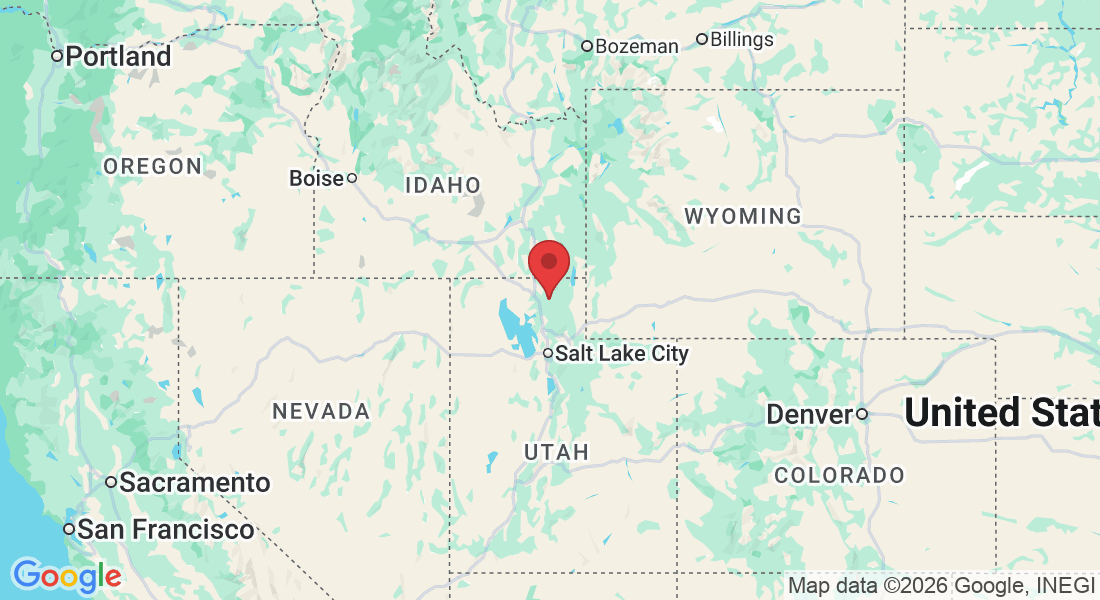
Office: Hyrum UT
Get In Touch
Assistance Hours
Mon – Fri 9:00am – 4:00pm
Sat - Sun – CLOSED
Phone Number:
(435) 764-4733
Service Areas in Idaho
Pocatello
American Falls
Chubbuck
Preston
Montpelier
Soda Springs
Malad
Twin Falls
Burley
Kimberly
Rupert
Jerome
Heyburn
Buhl
Blackfoot
Shelley
Idaho Falls
Rigby
Rexburg
Ashton
Island Park
Bloomington
Paris
Franklin
Grace
McCammon
Lava Hot Springs
Aberdeen
Ketchum
Hailey
Hagerman
Filer
Oakley
Albion
Bancroft
Office: Hyrum UT
Call (435) 764-4733
Email:
Site: idahoasbestosinspections.com